

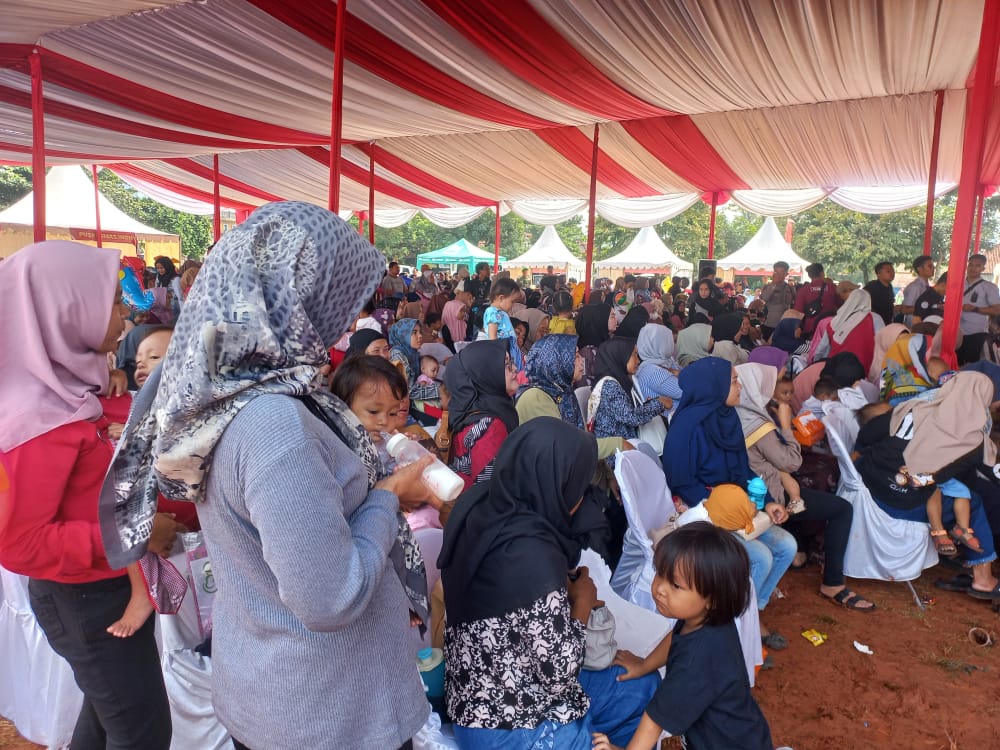
Lintaspasundannews.SINGAPARNA, TASIKMALAYA REGENCY. (6 APRIL 2026) ~ From an academic perspective, the main issue facing this region is the ‘double burden of disease’—the concurrent presence of both communicable and non-communicable diseases. On the one hand, malaria, filariasis and hepatitis remain a real threat in tropical regions and across national borders. On the other hand, non-communicable diseases such as diabetes, heart disease and cancer are rising sharply due to urbanisation, modern diets and sedentary lifestyles. Indonesia even faces an irony: it is still struggling to tackle tropical diseases, yet is simultaneously burdened by an epidemic of modern diseases.
Looking deeper, the greatest challenge is not merely disease, but inequality in access to healthcare. ASEAN as a whole still faces disparities between urban and rural areas, a shortage of medical staff, and services that are not yet inclusive. Indonesia reflects these issues acutely: its eastern regions, border areas, and remote islands face geographical barriers that result in uneven healthcare provision. This situation is exacerbated by high cross-border mobility, making the risk of disease transmission increasingly complex and difficult to control.
The next problem that is often overlooked is the mental health crisis. The WHO notes that around 260 million people in Southeast Asia suffer from mental disorders—a figure that indicates this issue is no longer a secondary concern, but rather a silent epidemic. In Indonesia, social stigma, a lack of facilities and low mental health literacy mean that treatment is slow and unsystematic.
Bacajuga:WAKAPOLDA JABAR DAMPINGI AS SDM KAPOLRI DALAM PEMBUKAAN PELATIHAN TOT INSTRUKTUR DI PURWAKARTA*
At the systemic level, the region also faces a lag in healthcare technology and infrastructure. Digital transformations such as telemedicine do promise efficiency, but are hampered by the digital divide, differing regulations, and data security concerns. Even cutting-edge technologies such as genomics—which can speed up diagnosis—remain limited due to a shortage of experts and resources. This means that innovation has not yet fully addressed the real needs of the community.
Equally serious is the threat of antimicrobial resistance (AMR)—a phenomenon whereby medicines are no longer effective against infections. ASEAN has recognised this as a major threat that could set the world back to the era before modern antibiotics. This highlights that health issues are not merely a matter of access, but also of the quality of medicine use and the governance of health systems.
In conclusion, as World Health Day approaches, the health challenges in Southeast Asia—particularly in Indonesia—are multidimensional:
The dual burden of disease,
• Inequalities in access and services,
• The mental health crisis,
• Technological and systemic gaps,
• Global threats such as AMR and transboundary diseases.
Realistically, these problems cannot be resolved simply by building hospitals or implementing short-term programmes. Systemic reform is required: policy integration, equitable service delivery, investment in healthcare human resources, and the political will to make health a top priority for development, rather than merely a supplementary programme.
IWAN SINGADINATA.
(REGIONAL NEWS CONTRIBUTOR)
LIVING IN A REMOTE VILLAGE IN A DEVELOPING VILLAGE.
#MINISTRYOFHEALTHOFTHEREPUBLICOFINDONESIA,#WORLDHEALTHORGANISATIN,#UNITEDNATIONS,#GLOBALCOMMUNITY,#ALLCOUNTRIESINTHEWORLD,#INDONESIATOPOFTHEWORLD